What Is Vocal Energy in Public Speaking? Speak with Impact, Emotion and Clarity
Vocal energy comes from whatever motivates us to speak;
the ideas and experiences that trigger our emotions.

Big ideas, big emotions: Shami Chakrabarti is an electrifying speaker on human rights
I don't think I've ever done a single one-to-one course, or group workshop, accent reduction or public speaking training, or even had one casual conversation about what it means to be a good speaker, without mentioning something called “vocal energy”.
What do you think “vocal energy” means?
(SPOILER: I'm going to try to explain what I think it means, and why it's so important if you're thinking about working on your presentation skills, but also—maybe surprisingly—if you're thinking about taking some accent reduction classes.)
This question—what is vocal energy?—reminds me of the response given by Dizzy Gillespie (and/or fellow jazz great Thelonious Monk) when asked “what is jazz?”
“If you don't know, I can't tell you”.
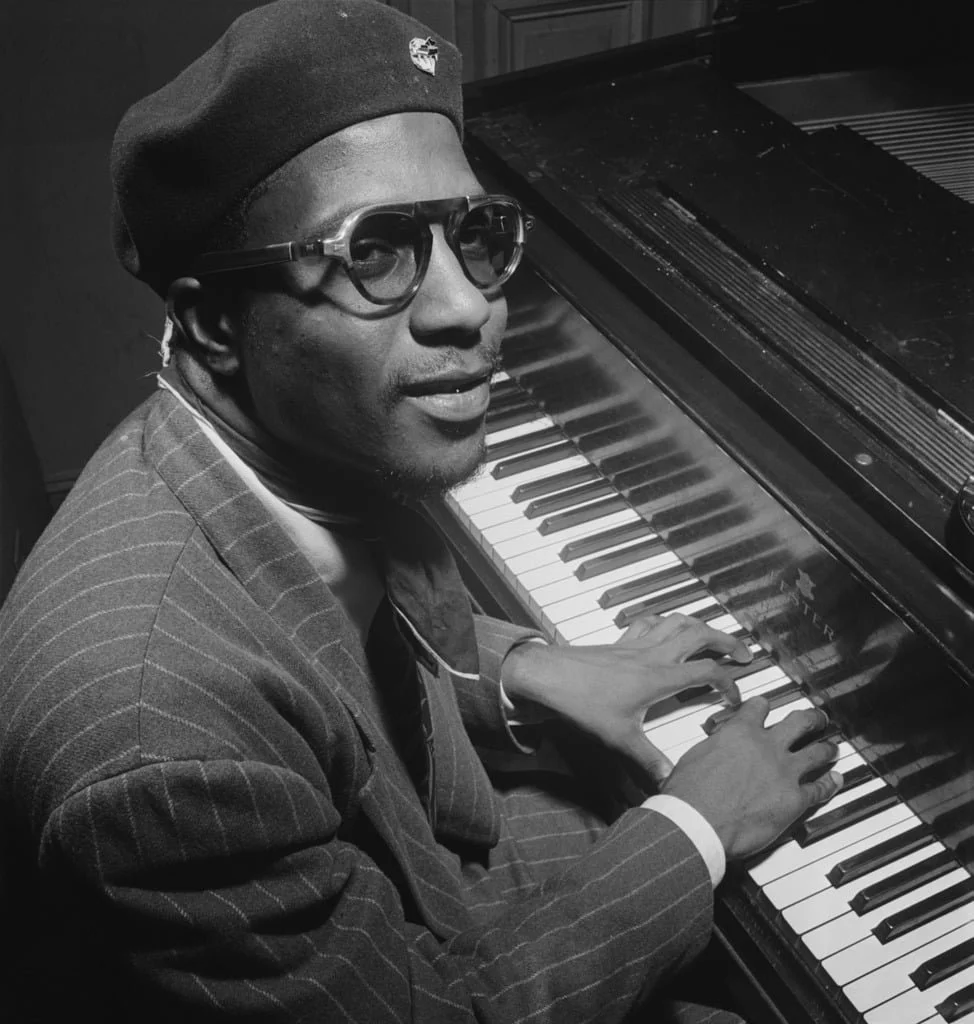
‘If you don’t know, I can’t tell you’: this vague quote about jazz has vaguely been attributed to Thelonius Monk. Or Dizzy Gillespie
Why “Vocal Energy” Is So Often Mentioned
We know what vocal energy in speaking is when we hear it, right?
But what does it mean?
If I asked you to think of someone who speaks with energy, whose voice do you hear in your head?
A famous person? Your boss? Your best friend? A family member?
Think about the ENERGY that he or she speaks with.
Now, instead of “energy”, think of some adjectives for the way that person speaks—describing words.
(Take your time).
Are you choosing words like “passionate”, “confident”, “intense”, “joyful”, “sincere”, “excited”, “determined”?
Or words like “loud” and “fast”?
Maybe a mix of both?
Now think about WHAT they talk about, when you listen to them speak.
Can you remember what they said?
The thing about “vocal energy” is it can seem vague. It takes energy to speak loudly, or quickly, or both.
It also takes energy to speak with passion, right?
So… speaking with passion is the same as speaking loud and fast?
See—we all know vocal energy in public speaking when we hear it—and when we sit through a boring meeting or lecture, we really miss it, don’t we?—but when we unpack that word “energy” we have to get specific if we want it to make sense.
Vocal energy is a form of physical energy. Speaking is a physical act.
But it's fuelled by emotional energy.
And where does emotional energy come from?
Life experiences? Yes.
Ideas, values? Yes.
The experiences and ideas that motivate you to speak are always tied to your emotions.
How does emotional connection, through speaking, communicate ideas to listeners?
When I think about vocal energy in public speaking, I think of Shami Chakrabarti, the British lawmaker and human rights activist.
I once heard her speak in person, speaking at a conference, and it was electrifying.
She used a simple phrase, several times, in that talk:
“human rights, for human beings”.
It's not the greatest slogan ever, is it? It's kind of obvious.
By the by, I already believed in human rights for human beings, before I heard her come out with it!
What burned that phrase, and that IDEA, into my memory was the ENERGY with which she said it.
It's possible to tell, without hearing her speak, that Baroness Chakrabarti really, truly, to the depths of her soul, believes in human rights, not just intellectually but with her feelings—with her heart.
Now they say “actions speak louder than words”, and yes, she has dedicated her life to human rights. She has written thousands of words about human rights, and her work and actions communicate this conviction very powerfully.
I believe that words can speak just as loud as actions.
Loud and Fast vs Emotional Connection
Hearing Chakrabarti speak those words, on that day—“human rights, for human beings”—made me feel the same passionate conviction that human rights for all human beings is a sacred fundamental value.
She’s not loud. She doesn’t speak quickly.
She speaks with incredible vocal energy and emotional connection.
Every time I've heard her speak since, mostly on video or in the media, I appreciate the same quality.
What does this have to do with accent reduction and clear communication?
One of the first questions I address with professionals looking for accent reduction classes is, “why this accent?”
READ MORE: Switch to which? Does it work to have ‘two accents?’
One of the strengths of the “Received Pronunciation” or “BBC English” accent, that I use as a baseline sound for my accent reduction coaching, is that this particular form of spoken English is very good at channelling and expressing feeling, through the nature of its vowel and consonant sounds.
“BBC English” is the complete opposite of what people still tend to call “the King’s English” or “the Queen’s English” and the traditional British “stiff upper lip”.
There’s nothing stiff about the upper lip in this accent. The accent constantly requires you to open your mouth and let your feelings out.
Using Vowel Sounds to Express Feeling
Think of the “oh” sound as in “I’m going home” or in “NO!”
That “oh” sound can be an expression of pure feeling all on its own: “OH!”Think about how many different feelings we express just through that sound.
Or even a closed-mouth vowel sound like the “ee” in “feeling” or “please”, which in this accent is a long sound.
Think about the urgency you can express through that long sound if you say:
“please please pleeeeeease: you reeeeally neeeeed to seeee this!”
So the accent work I do with non-native English speakers is partly about finding a sound to your English that listeners recognise and understand easily, but it’s really about how we use the features of the accent to CONNECT with listeners on an emotional level. It’s about how we channel vocal energy into clear, confident communication, and into the sounds that you’re using when you speak English.
VOCAL ENERGY: when is it “too much”?

TOO MUCH: I finally did it. I used a picture of a cat, for clickbait. I hate myself. Oh, also -’ too much energy?’
I have a client at the moment who is a very eminent science and technology consultant. She’s had a hugely varied career in biotech and computer science, holds multiple degrees, and is one of the most fearsomely intelligent people I’ve ever met.
She spoke recently on a panel of about a dozen distinguished science and tech figures in London, where she happened to be the only woman.
“When I introduced myself, I was quite chaotic, and spoke really fast as I often do, waving my hands all over the place as I often do, and covered loads of detail about who I am and what I’ve done. I was a bit out of breath when I finished.
Then another person got up and spoke, and he spoke quite softly, and for twice as long as we were told was allowed, and he actually said very little of substance. It was a lot of platitudes really.
But the whole audience was hanging off his every word.
And when I spoke, I got the sense that it just wasn’t really landing. The audience were like, ‘uh-huh…’”
Why Over-Delivery Reduces Impact
Speaking with energy, the way my client does, is essential if we’re going to successfully convey a sense of value to the listener.
But if speakers don’t manage that energy—if it comes out as a blur of rapid movement and sound—it means the listener has to manage it. She has to concentrate hard to draw meaning out of the whirlwind of words and gestures.
And the more you make her concentrate and work, the less likely she is to feel valued.
READ MORE: Mastering the Power of Pauses: Enhance Your Communication, Presentation, and Storytelling Skills
My client has vast amounts of intellectual and emotional energy at her disposal. She’s really smart, and she really cares about applying her knowledge and insight and curiosity to solving important problems.
So we’re working on managing vocal energy in public speaking, and expressing that energy in ways that allow her listeners to perceive the value that she has to offer.
My ambition for her is for the people she speaks to think of her not as “loud” and “fast” and “energetic”.
Not even to remember her as “passionate”, “joyful”, or “sincere”.
I would like her to get to a point where people remember WHAT she said. Her ideas, and the way her ideas make them feel.
I want people who are lucky enough to hear her speak to remember crucial ideas, like “human rights for human beings”, and remember them because they hear her voice in their heads.
This is achievable for anyone—anyone with a voice.
Get in touch, and let’s see if I can help you improve your speaking voice, manage your vocal energy, and channel your emotional energy into the way you speak—and into the way your listeners feel and think.
FAQ
What is vocal energy in speaking?
Vocal energy is the combination of physical delivery and emotional intent that makes speech engaging and memorable.
Is speaking with energy the same as speaking loudly?
No. True vocal energy comes from emotional connection, not just volume or speed.
How can I improve my vocal energy?
Focus on breath control, pacing, and connecting emotionally to your message rather than speaking faster or louder.
What role does accent play in vocal energy?
Accent influences how easily you can express emotion through sounds, rhythm and intonation.
Can too much vocal energy be a problem?
Yes. Uncontrolled energy can overwhelm listeners and reduce clarity and impact.