The ‘reciprocity gap’: are your listeners work harder than you?
Reciprocity: if we take more than we give, people - listeners - disengage
I've been reading and thinking recently about a concept called 'the reciprocity gap'.
(I'll put a link at the bottom of this article if you want to know more, but read my thoughts on it first, eh?)
What Is the Reciprocity Gap?
It's the gap between the value you give - your time, your energy, your attention, your data - and the value of what you get back in return.
Do you ever get annoyed when you look for 'customer help' on a website, and all there is is an AI chatbot?
'Ugh, they want me to patiently explain my problem with THEIR product or service, and all I'm going to get back is an automated template reply? Why can't I just TALK to someone?'
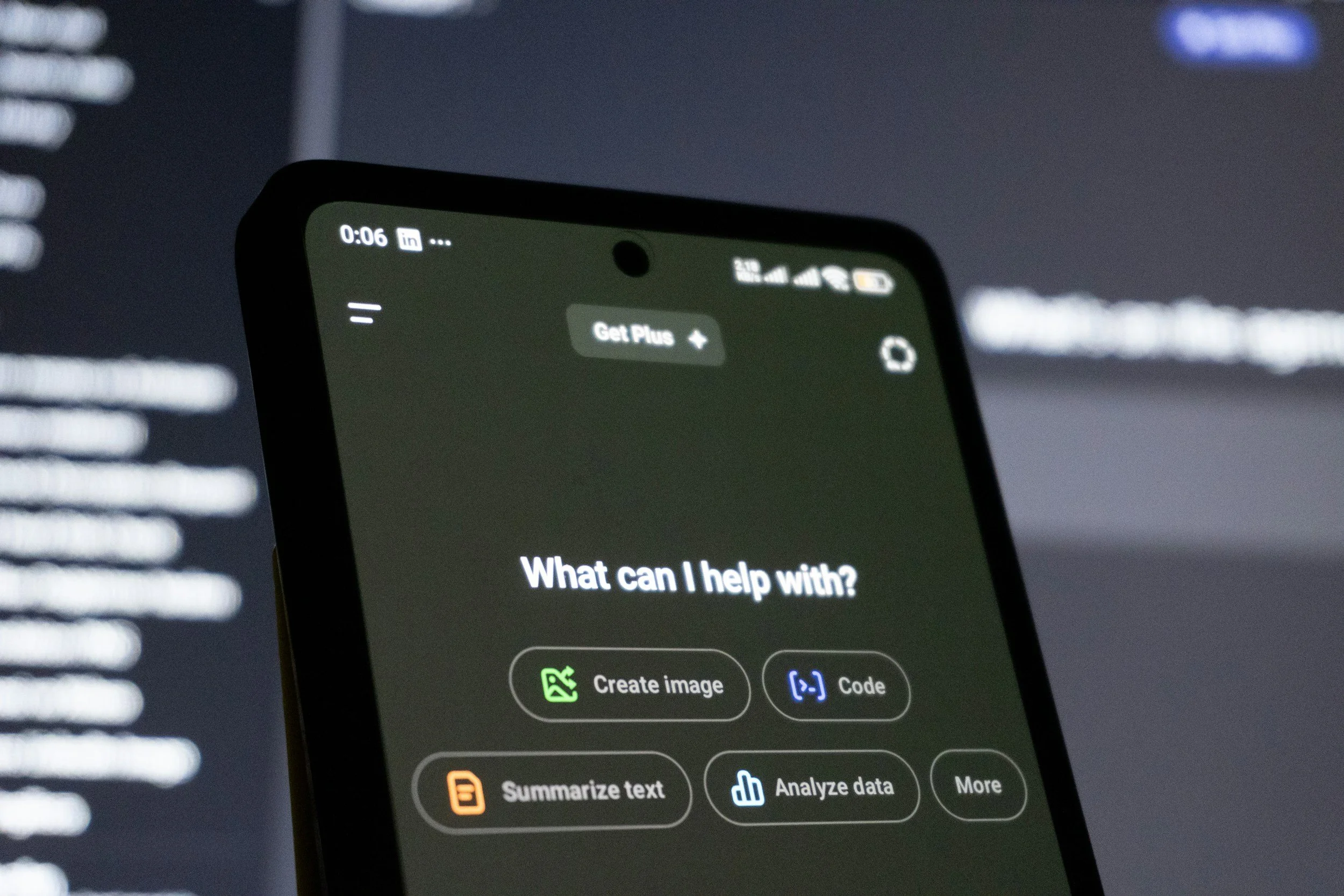
Chatbots: convenient and cheap replacements for humans, but mind the reciprocity gap
Why We Disengage When the Effort Feels One-Sided
Do you ever click those links in adverts that ask you to fill in a survey…
and then share your email address in order to get the results back?
And do you then think 'ugh that took so much time and mental effort - and all they really want is my contact details so they can send me marketing emails?'
Maybe I'm just a grumpy middle-aged man who doesn't like being marketed to.
But I tend to resent it because I think, 'you're getting more out of this than I am'.
The results of this survey are going to be analysed by AI, not by a human. Maybe some humans at some point did some thinking about what my survey answers mean, but I've just given them my time and personal experience, and they're spitting out an answer based on an algorithm.
That answer is maybe going to be useful to me. I might get some info that will help me make sense of something.
AI, Attention and the Feeling of “Wasted Effort”
Good example: I had to give out my email address to the branding consultancy, in order to download the reciprocity gap report.
I didn't feel a big gap there; it took about 4 seconds of my time and a bit of personal data, but I got an interesting read and a blogpost idea in return. Nice!
But usually, I'm just one of thousands or millions of survey-takers, and the value of my data is being extracted by digital slave labour, while a small handful of humans, who've figured out how to monetise it, just watch the dashboard…
This gulf between what I give, and what I get back, is the reciprocity gap.
And the problem with a reciprocity gap, is that it makes customers, users, citizens, disengage.
One of the authors of the report I read on the subject put it this way:
““When reciprocity fails, especially after someone has invested emotionally, the brain’s reward circuits shut down.””
Our brains are physiologically tuned to the avoidance of wasted effort.
No 'reward'? Then stop working. Why continue to engage, when engagement means giving more than you get back?
Where is the value in engaging, when you end up worse off?
That's exactly what happens to listeners, when asked to listen to a speaker who makes them work: they disengage.
The Reciprocity Gap Between Speakers and Listeners
This thinking is particularly relevant to brands and their customers, or services and their users, especially in this digital age of AI.
But it sounded very familiar, because if you apply this idea to effective speaking, presentation skills, or to what we're trying to do with accent reduction coaching, it's really just another way of talking about what's going on between a speaker and a listener.
As a speaker, are you making listeners give more than they feel they're getting?
Doing the Listener’s Work, doing the Reader’s Work: The Key to Better Communication
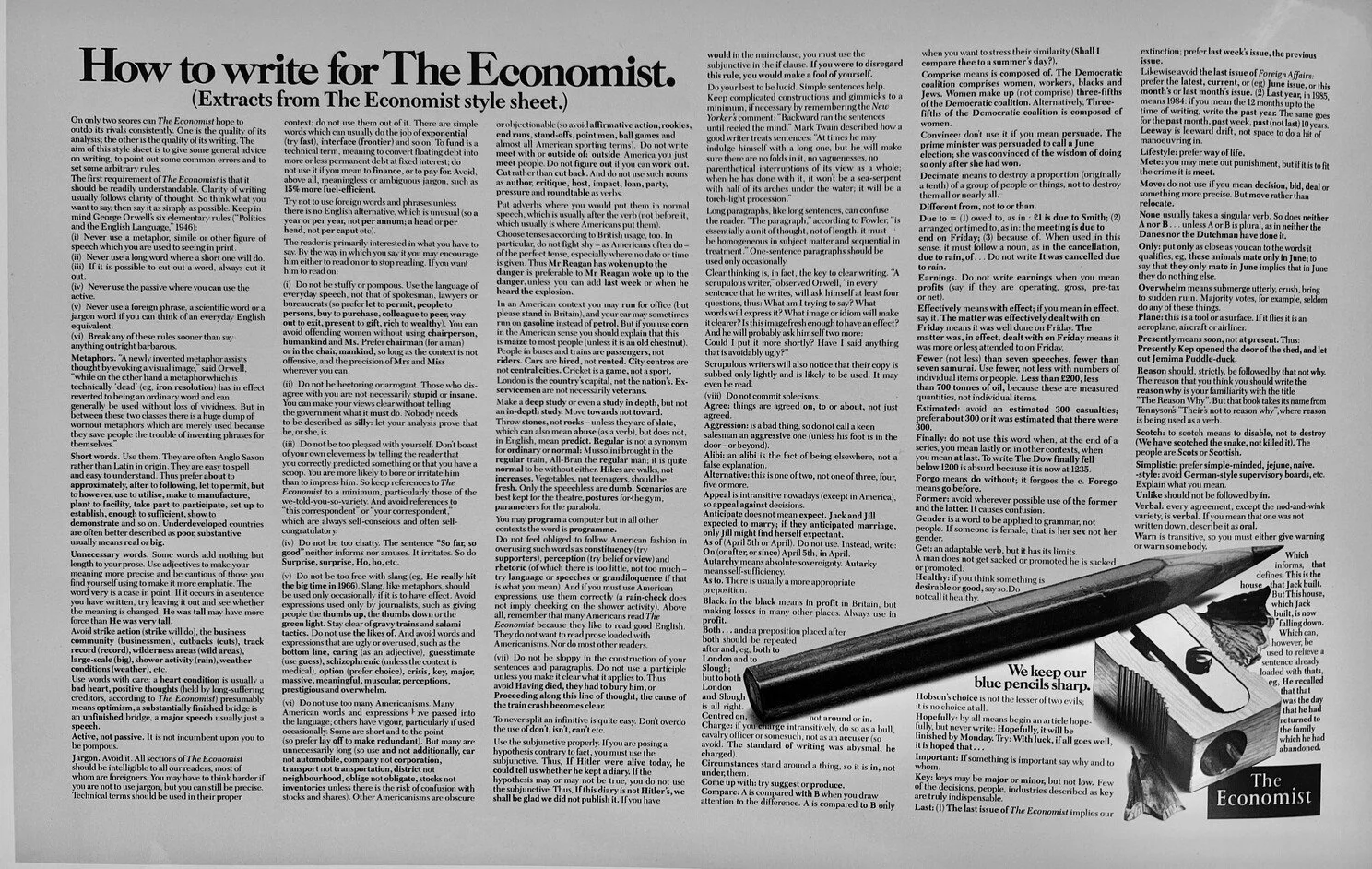
Make it easy: an Economist style guid from the 1970s. Making things simple is intensely complicated
Regular readers of my musings here will know that I talk about effective communication, when it comes to speaking, as being all about speakers doing the listeners' work for them.
When I write, I try not to make the reader do too much work.
While we're on the subject, here's the sort of good writing guide I sometimes consult for tips. I don't use AI to write my blogposts, by the way. Well… not the final draft, at least! And I always enjoy recommending to clients concerned about their written English, that they read The Economist.
I try to keep it brief, for example: 900 words or less.
I try to write short sentences with not too much jargon. I don't put too many ideas in the same paragraph; I have more white (or green) space on the screen, to make it easy on your eyes.
Why Poor Speaking Makes Audiences Work Harder
What if I try and write the way some speakers speak?
Speakers who make listeners 'work' do things like
speakingggg… very… um… very… liiiike… broken, up and… like, not… particularly… errrr… coherently?
Or they speeeak… sloooowly… with veeery litllllle… energyyyyyy…
Or the opposite: theyspeakveryveryquicklywhichcouldbeforanumberofreasonsbutitdoesn'tmatterwhybecausetheeffectisthatyouthelistenerfeellikeyouhavetoconcentrateveryhardtokeepup!
Now, ok, you're probably reading this, not listening to audio of it… but it's making you work, even as a reader.
You're having to input more time and careful attention than usual to the act of reading, to figure out what is being said.
Now maybe you can cope with three lines of that hard-to-read stuff.
But imagine I asked you to read twenty pages written like that.
You'd find it pretty tiring, right? And if you manage to get to the end before giving up, you'll probably be thinking 'was the time and effort that that took, really worth what I got out of it?'
The sense of VALUE we get from the experience is... very little.
How Vocal Delivery Affects Listener Engagement
However, when speakers do the listeners' work, then listeners get a sense of VALUE.
When they use vocal energy to make the words that matter SOUND like they matter; when they use pauses consciously and deliberately, to speak at the pace of a listeners' thoughts not their own thoughts; when they use eye contact to connect with listeners as they deliver a key point or an important thought; then listeners pick up on the value of what you have to say, and they feel that you value THEM, the listeners themselves; you look and sound like you value the relationship you have with them.
When we do the listeners' work and convey value, listeners experience a sense of reciprocity: they're getting a lot of value for the time and mental effort (attention) they have available to give to you, the speaker.
In other words, when we're speaking well, there is no reciprocity gap.
What Effective Public Speakers Do Differently
Many of my clients work in tech, healthcare, business. They spend a lot of time thinking about how to give value to users, patients, customers.
I'd be curious to know whether the reciprocity gap is a concept that affects your work, and I'd certainly be curious to hear from you if you feel a 'reciprocity gap' when you speak in meetings, presentations, conferences, or even among members of your team.
I might be able to help you make your listeners work less, and engage more.
And most relevantly for you, if you're thinking of working with me or my associate coaches Nathalie, Sophie and Sonya; we try to make sure there is no reciprocity gap between us and you!
Free Speaking and Accent Reduction Taster Session
We offer a free 1hr taster session because we understand that investing money in your speaking skills is a big decision, especially when you may not feel confident that you understand how we work, how we can help you - essentially, what you're paying for.
I always say to potential clients at the start of the taster, 'I want you to feel this was an hour well spent'.
There's no obligation to book a course following the taster session, and we aim to give you plenty of value from that hour of your time. If you're looking for accent reduction, we'll listen closely and give you a thorough rundown of the sounds that would need to change, if you're going to find an accent that listeners understand more easily and that makes you feel more confident.
And if your accent isn't the issue and you want to work on your general speaking skills and be a more effective communicator, we'll run through some practical exercises to introduce you to what it really means to 'do the listeners' work': techniques you can use straightaway, to improve your everyday speaking.
Accent Reduction and Human Communication
And our courses are all about human interaction; when you speak, you're speaking to human beings - because when you're speaking out there in the world, you'll be speaking to and for human beings.
I've seen a few examples of AI technology (maybe you've tried them? It's this sort of thing, if you're curious.)
Apps: Duolingo for accents is out there. But it’s far better to work with us
Why AI Communication Coaching Often Feels Impersonal
To me, this is a perfect example of accent reduction coaching with a big reciprocity gap.
You're speaking to a system, not a person. It can tell you whether its voice recognition software can recognise what you're saying. It can tell you how many 'um's' and 'er's' you uttered in a passage of recorded speech.
It can't tell you what it's like, as a human being with ears, to listen to you speak. But we can.
So instead of approaching accent reduction and confident speaking across the reciprocity gap, give us an hour of your time and we'll reciprocate: we'll give you our professional ears, and our professional experience of how to be a better speaker.
And if you like what we can do for you, then it would be lovely to have you reciprocate by paying us to coach you hahaha!
As ever, thanks for reading :)
Oh, and here’s the link to the report on the reciprocity gap by the brand consultancy Avansere. It’s 52 pages! Worth a look though.